Now that you have a need for chemical manufacturing or blending, how do you decide which company is the best choice? Choosing poorly could open you up to long lead times, inferior quality, or wasted time and money. Choose well and you’ll be amazed at how much value your partner adds to your production process.
1. Capabilities
First and foremost, you have to know if a manufacturer can get the job done. Assuming you need a turnkey solution, here’s what to consider:
- Research capability: If your formulation needs some work, your chemical manufacturer’s prowess at research and development, lab scale, and scale-up will be crucial.
- Processing capability: The company should be able to perform a wide range of reactions and processes on a slew of different chemicals, including green products and hazardous materials.
- Logistics capability: Packaging, repackaging, private labeling and printing, marketing support, and transportation are all important considerations.
2. Capacity
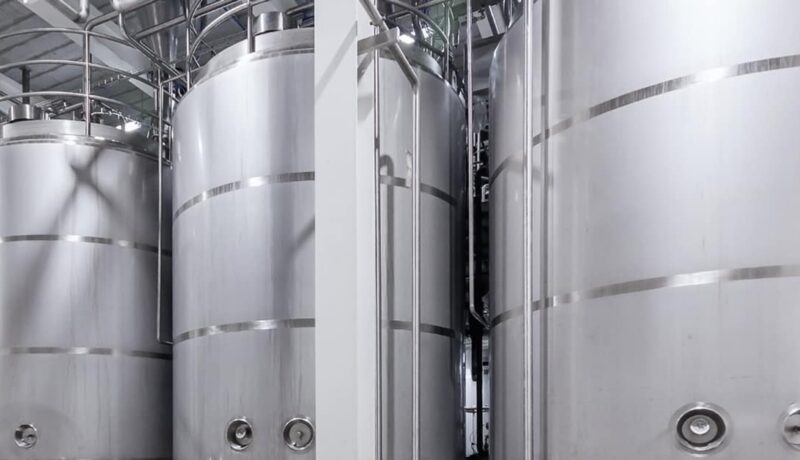
Just as important as asking whether a manufacturer can produce your chemical is asking whether it can produce it at your desired scale, and in time to meet your deadlines. This requires not just enough blend tanks but an array of specialized reaction, grinding and milling, distillation, and other equipment, plus ample storage capacity. It’s best if the manufacturer has significantly more capacity than you currently need, so you can scale up at any time.
3. Certifications and Registrations
Certifications serve as a testament to a chemical manufacturer’s quality management, ability and legal authority to work with chemicals, and concern for the environment. Important ones to check for include:
- ISO 9001:2015: Certifies a manufacturer provides high-quality products that meet all regulatory requirements while delivering excellent customer service.
- EPA: Makers of pesticides, disinfectants, and various other chemicals must register each product with the Environmental Protection Agency.
- FDA: Responsible for protecting public health by ensuring the safety, effectiveness, quality, and security of drugs, food, cosmetics, and more.
- NSF: Provides certification for food standards and label claims such as kosher, non-GMO, organic, and plant-based.
- UL: Attests to a manufacturer’s equipment safety, sanitation, and regulatory standards.
4. Quality Assurance
ISO 9001:2015 certification is an easy way to gauge whether a manufacturer has a thorough quality management system, but if it’s not certified, ask what kind of system is in place. Detailed batch manufacturing records should include manufacturing start/end dates, materials and amounts used, personnel sign-offs, in-process check results, equipment used, batch yield and reconciliation, deviations, and quality control information.
5. Company Profile
Approach your chemical manufacturer choice as you would selecting any other business partner:
- History: Corporate longevity is typically a sign they’re doing something right.
- Industry experience: A proven track record in your particular field means a manufacturer is up to date on new developments and has the know-how to guide you.
- Reviews: References or testimonials from previous and current customers.
- Financial stability: Does the manufacturer have the means to pay its employees and get your project done?
- Communication: Responsiveness, transparency, and flexibility indicate how much emphasis a manufacturer places on customer service.
- Location: A manufacturer near your final destination or major shipping hubs can help keep shipping costs down.
When it comes to a custom chemical manufacturing partner, talk to Unichem about how we stack up against these five criteria.