Applications
Water Repellents & Surface Protection
Deep-penetrating water repellent chemistry that bonds within the substrate, lasting protection without film buildup or color shift.Substrate range Masonry, concrete, stone, and timber.
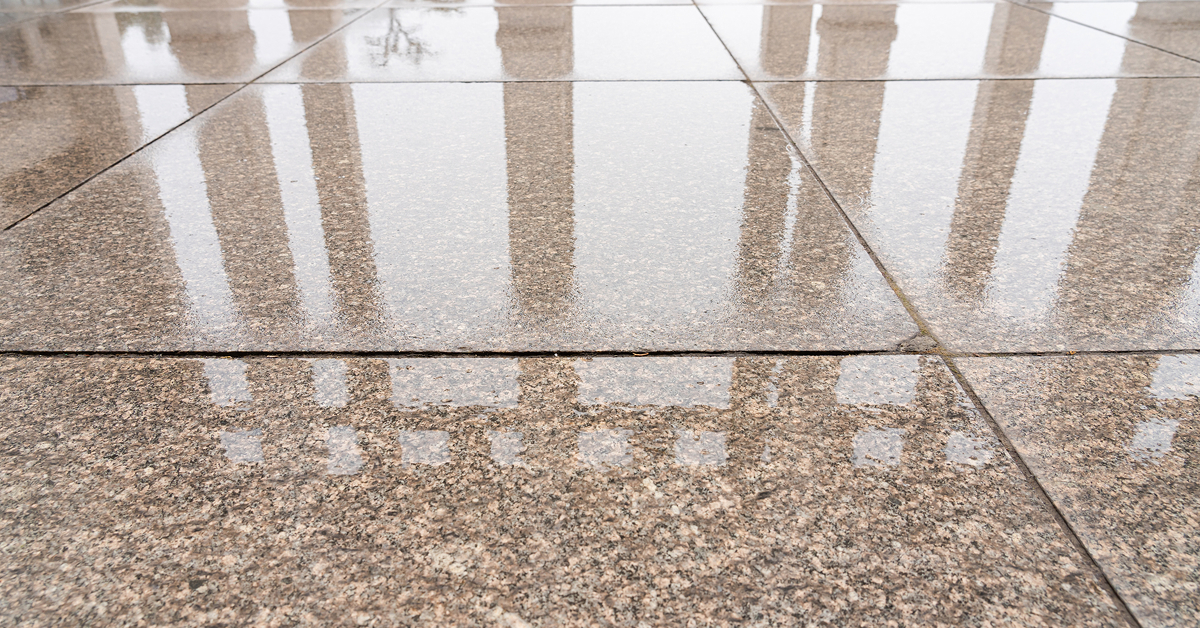
Protection That Does Not Change What It Protects
Water repellent chemistry has to work across very different substrates: masonry, concrete, stone, and timber, each with a different failure mode. Unichem formulates deep-penetrating silane and siloxane systems that repel water without building a visible film or shifting surface appearance, so the substrate keeps its original look and performance.

Water Repellent Performance

Substrate range
Masonry, concrete, stone, and timber.

Penetration mechanism
Bonds within the substrate matrix.

Appearance impact
No color shift or film buildup.

Durability
Formulated to withstand wash cycles, UV, and abrasion.
Products for This Application

Unigard Durable Water Repellent
PFAS-free durable water repellent finishes for technical fabrics, built to keep outdoor textiles dry and breathable.
Explore Unigard

Industries That Use This Chemistry
Construction & Infrastructure
Sealants, water repellents, fire retardants, and protective coatings for structures that have to last.
Industrial Manufacturing
Coatings, adhesives, sealants, and elastomers matched to the joint, the substrate, and the line.
Commercial & Consumer
Cleaning, hygiene, and surface protection products manufactured and packaged under your brand.
Water Repellents: Frequently Asked Questions
What is the difference between a DWR and a waterproof coating?
A durable water repellent (DWR) changes how water behaves at the surface without sealing it. A waterproof coating forms a film. Unichem’s water repellent chemistry is formulated as the former.
What substrates does Unichem water repellent chemistry work on?
Masonry, concrete, textile, stone and facade, and wood and timber substrates are the primary categories. Tell us your specific substrate and we’ll confirm fit.
Can this chemistry be custom-formulated?
Yes. Bring us the substrate and the exposure it needs to survive.