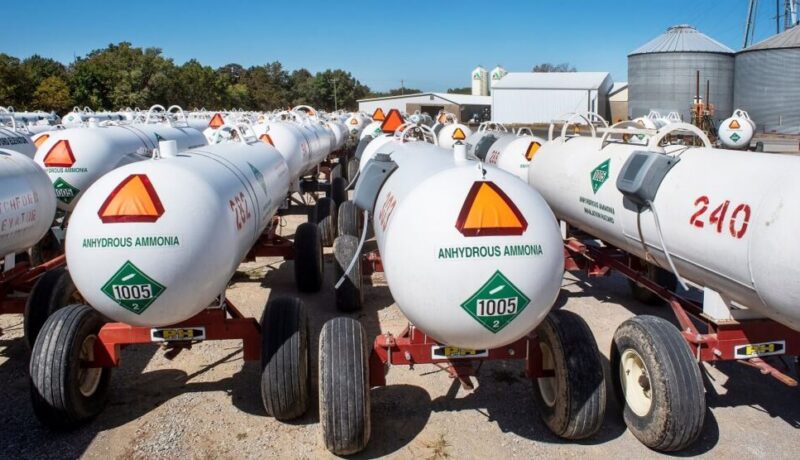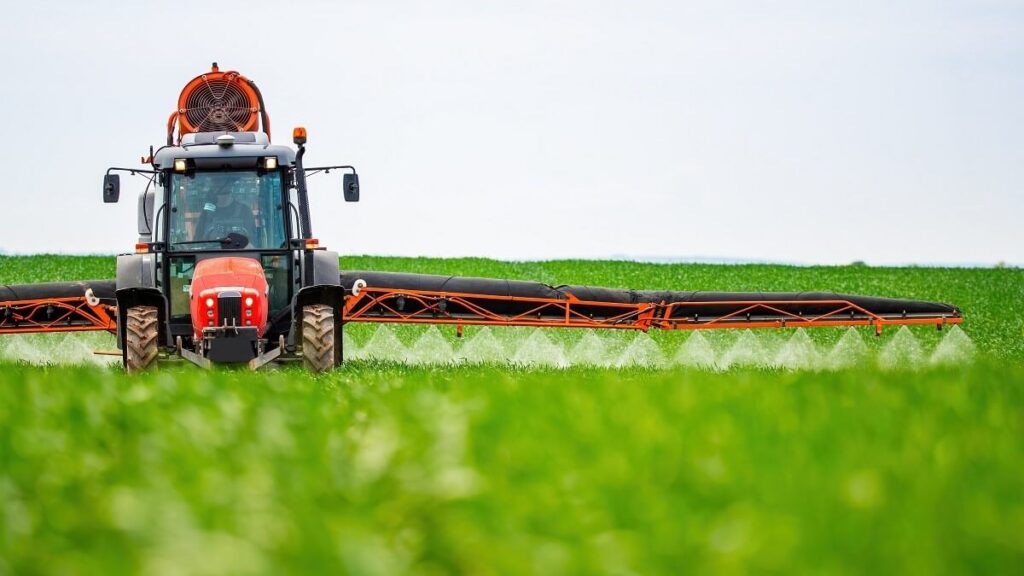
The roughly 800 crop protection chemicals registered for use around the world sustain the lives of hundreds of millions of people. Not only do these products increase crop yields, they enable farmers to grow more in less space, a key benefit as farmland dwindles.
Crop Protection Products to Optimize Agriculture
Insecticides
Pests destroy an estimated 37% of potential crop yield in North America. Common insecticide types include organophosphates (inhibiting neuromuscular transmission), pyrethroids (affecting the nervous system), and carbamates (broad-spectrum AChE-inhibitors).
Herbicides
The most common pesticides, herbicides protect crops from weeds by inhibiting enzymes, amino acids, photosynthesis, or root/shoot growth. Glyphosate and atrazine are applied to more than double the acreage of the third-leading herbicide, 2,4-D.
Fungicides
Chemical fungicides combat fungal diseases that can account for more than 90% of pesticide applications in wine-growing regions, classified as contact/protectant or systemic/penetrant.
Nematicides
Parasitic nematodes—57 billion for every human on earth—are controlled by fumigants like 1,3 dichloropropene or nonfumigants like oxamyl.
Growth Regulators
Plant growth regulators (PGRs) mimic naturally occurring hormones to increase or decrease growth, benefiting fruit trees or reducing mowing needs and disease susceptibility.
Special Chemicals for Special Challenges
Many traditional crop protection chemicals receive modern upgrades via biosynthesis. Afidopyropen, controlling aphids, derives from fungal fermentation, and Fenpicoxamid, an effective fungicide against wheat-devastating Zymoseptoria tritici, was isolated from bacterial fermentation broth. Other products include pheromone-based traps, encapsulated pesticides, and soil pH-adjusting agents.
Chemicals for Regulatory and Sustainability Goals
Recent bans on nematicides like aldicarb have spurred research into less toxic alternatives such as fluensulfone, registered in 2014 as a low-toxicity nonfumigant.
Unichem is proud to provide the agricultural industry with many types of crop protection chemicals. Talk to our team.