
Technology & Innovation
TOUGH-SEAL Potting Compounds
Hybrid epoxy chemistry engineered for endless electronics applications where mechanical, electrical, and environmental protection and bond integrity are not optional.

TOUGH-SEAL Performance

Cure chemistry
Two-component hybrid epoxy elastomer, epoxy, and urethane chemistries.

Temperature range
Thermal cycling from -40C to 150C (-40F to 302F).

Moisture resistance
2,000+ hours at 85 degrees C / 85% RH without delamination.

Dispensing
50 and 400 mL cartridges, plus 1, 5, and 55 gallon containers for bulk meter-mix systems.
Why TOUGH-SEAL
A formulation for every assembly. TOUGH-SEAL hybrid epoxy elastomer, epoxy, and urethane potting compounds are two-component formulations that vary in gel time, viscosity, and hardness. Self-leveling low- and medium-viscosity grades flow around circuit board components and connectors for complete coverage. A glob-top grade handles localized potting and damming, and a UL 94 V-0 listed grade covers flame-retardant requirements.
Protection built in. Every TOUGH-SEAL formulation is moisture resistant and anti-fungal, and holds up through thermal cycling from -40C to 150C (-40F to 302F), thermal shock, vibration, and chemical and UV exposure. Tough-Seal is RoHS and REACH compliant.
Dispensed your way. 50 and 400 mL cartridges for manual and pneumatic handheld dispensers, and 1, 5, and 55 gallon containers for bulk meter-mix systems. Our engineers can help you find the right equipment for your process.
Made for electronics. TOUGH-SEAL is built for potting electronics assemblies. For structural bonding, see Unibond. For marine bonding, see Dur-O-Bond.
Where TOUGH-SEAL Is Used
Applications: Electronics Potting, Filtration Adhesives, Industrial Adhesives
Industries: Electronics, Industrial Manufacturing, Marine
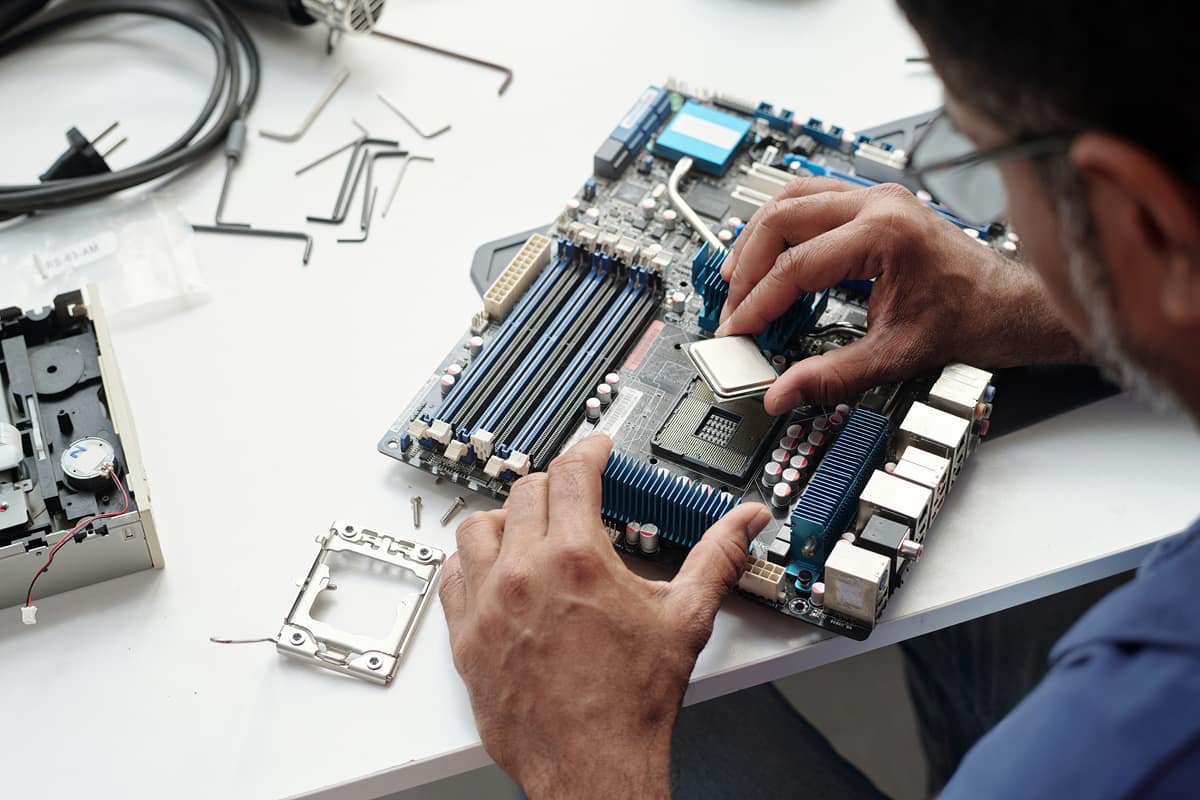
Application Examples
- Lighting – safety signal, LED, automotive LED, high bay LED, aviation, marine, and helideck lighting.
- Sensors – automotive, marine, thermistor, airflow, RF, gas, and electronic sensors.
- Circuit boards and control systems – printed circuit board assemblies and control systems.
- Wire harnesses and motors – wire harness assemblies and highly engineered motors.
- Fire detection – advanced fire detection systems.
- Flame-retardant applications – UL 94 V-0 applications.
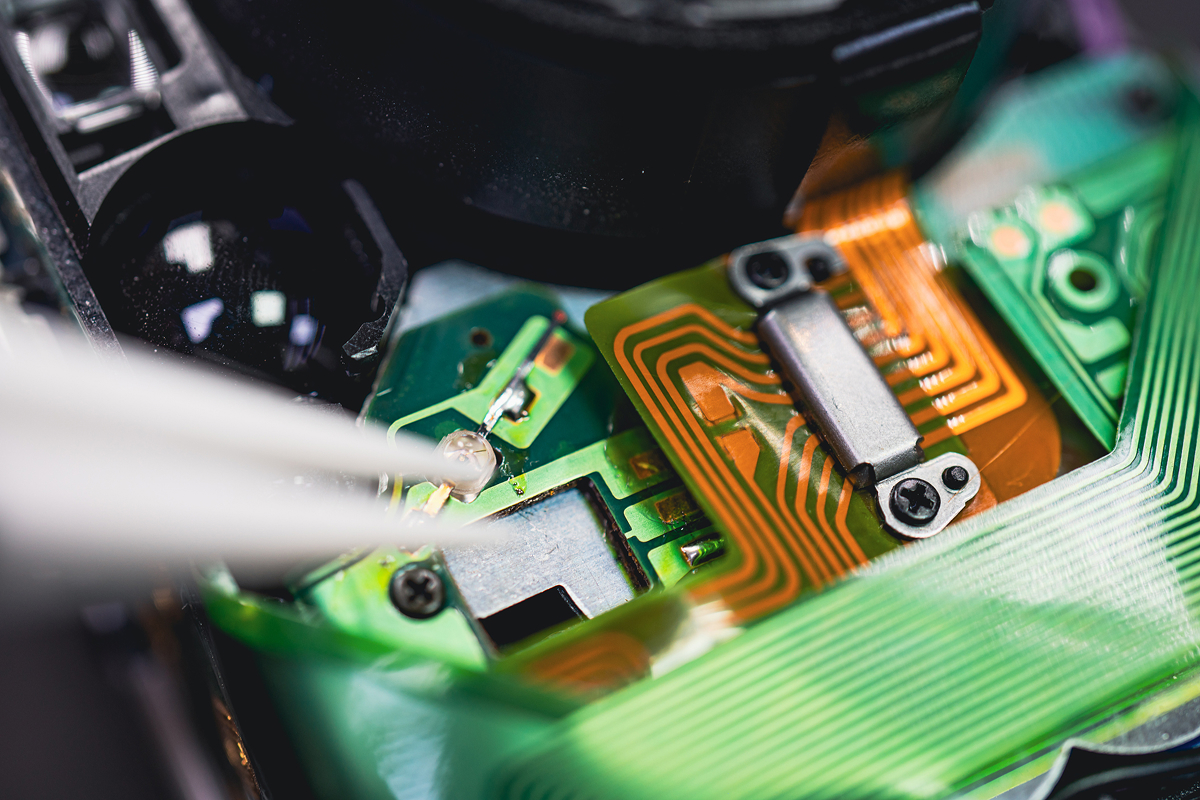
Built for the Conditions That Expose Every Weakness
A potting compound is not judged in the lab. It is judged the first time an assembly hits thermal cycling, vibration, or a moisture event it was not built to survive.
TOUGH-SEAL potting compounds protect circuit boards, sensors, connectors, and EV modules against heat, moisture, vibration, and chemical attack. Available in a range of gel times, viscosities, and hardnesses to fit your assembly and production line.


Why TOUGH-SEAL Is the Right Compound for Your Application
TOUGH-SEAL
How It Works
Epoxy backbone with an elastomeric network; cures to a tough, flexible solid without isocyanates. Bonds like an epoxy, moves like a urethane, protects like a silicone.
Best for
Assemblies that see thermal cycling, vibration, and moisture at once, where rigid epoxy would crack and silicone would lose adhesion.
Trade-off
Higher material cost than commodity epoxy; two-part mix-and-meter required.
Rigid Epoxy
How It Works
Cross-links to a hard, high-modulus solid with strong adhesion and chemical resistance.
Limitations
Transfers stress into fine leads and solder joints; brittle at low temperature; higher exotherm in large pours.
Urethane
How It Works
Flexible cured elastomer with good low-temperature performance.
Limitations
Moisture-sensitive during cure; isocyanate handling; can soften in humid heat.
Silicone
How It Works
Very wide service-temperature range with a soft, stress-free cured gel or elastomer.
Limitations
Weak adhesion and mechanical strength; poor fuel and solvent resistance; can inhibit cure of nearby materials.

Have a Spec? We Can Meet It.
Our team works with electronics assemblers, filter manufacturers, and composite builders to select the TOUGH-SEAL formulation that fits their substrate, cure schedule, and environment.
TOUGH-SEAL: Frequently Asked Questions
What substrates does Tough-Seal bond to?
TOUGH-SEAL is formulated for circuit boards, sensors, connectors, and EV battery modules, and adheres to the metals, plastics, and composite housings common to those assemblies. We can confirm which Tough-Seal is right for your substrate and application.
Can TOUGH-SEAL be used in applications that require a different Shore hardness or cure time?
Yes. Our team can help you select the formulation that meets your cure schedule and hardness requirements to optimize throughput in production.
How is TOUGH-SEAL dispensed?
TOUGH-SEAL is available in 50 and 400 mL cartridges for manual and pneumatic handheld dispensers. For bulk meter-mix systems, we offer 1, 5, and 55 gallon containers. Our engineers can help you find the right equipment for your process.
What environments has TOUGH-SEAL been formulated to withstand?
Every TOUGH-SEAL grade withstands thermal cycling from -40C to 150C (-40F to 302F) and is moisture resistant and anti-fungal. Tough-Seal ULTRA 60 is tested to 2,000+ hours at 85C (185F) and 85% RH. Select grades are suited to marine and submersible electronics.